

10 November 2025
Agri Sustainability — reducing the carbon footprint of sugar beet with Yara fertiliser
In order to achieve our FLAG (Forest, Land and Agriculture) targets for reducing CO2 emissions in sugar beet cultivation, we have initiated various pilot projects. One of these focuses on the use of CO2-reduced nitrogen fertilisers from the fertiliser manufacturer Yara. The aim of the collaboration with Yara is to measurably reduce emissions in sugar beet cultivation.
Yara Germany and Nordzucker have agreed on a three-year cooperation (2024–2026) to specifically reduce CO₂ emissions in sugar beet cultivation. This is how Nordzucker’s FLAG targets are to be achieved. The FLAG targets are part of the Science Based Targets initiative (SBTi) and represent CO₂ reduction targets in the areas of forestry, agriculture and land use. By 2030, emissions in this area are to be reduced by 36 per cent compared to the base year 2018. At the heart of this pilot project are Yara Climate Choice mineral nitrogen fertilisers, which have a significantly lower carbon footprint than conventional nitrogen fertilisers. The reason: they are produced using renewable energies instead of fossil fuels. In terms of their fertilising properties, these fertilisers are no different from conventional products – the only difference is that they are produced with lower emissions. For this reason, the use of these fertilisers leads to a 10 to 15 per cent reduction in CO₂ emissions in sugar beet cultivation.
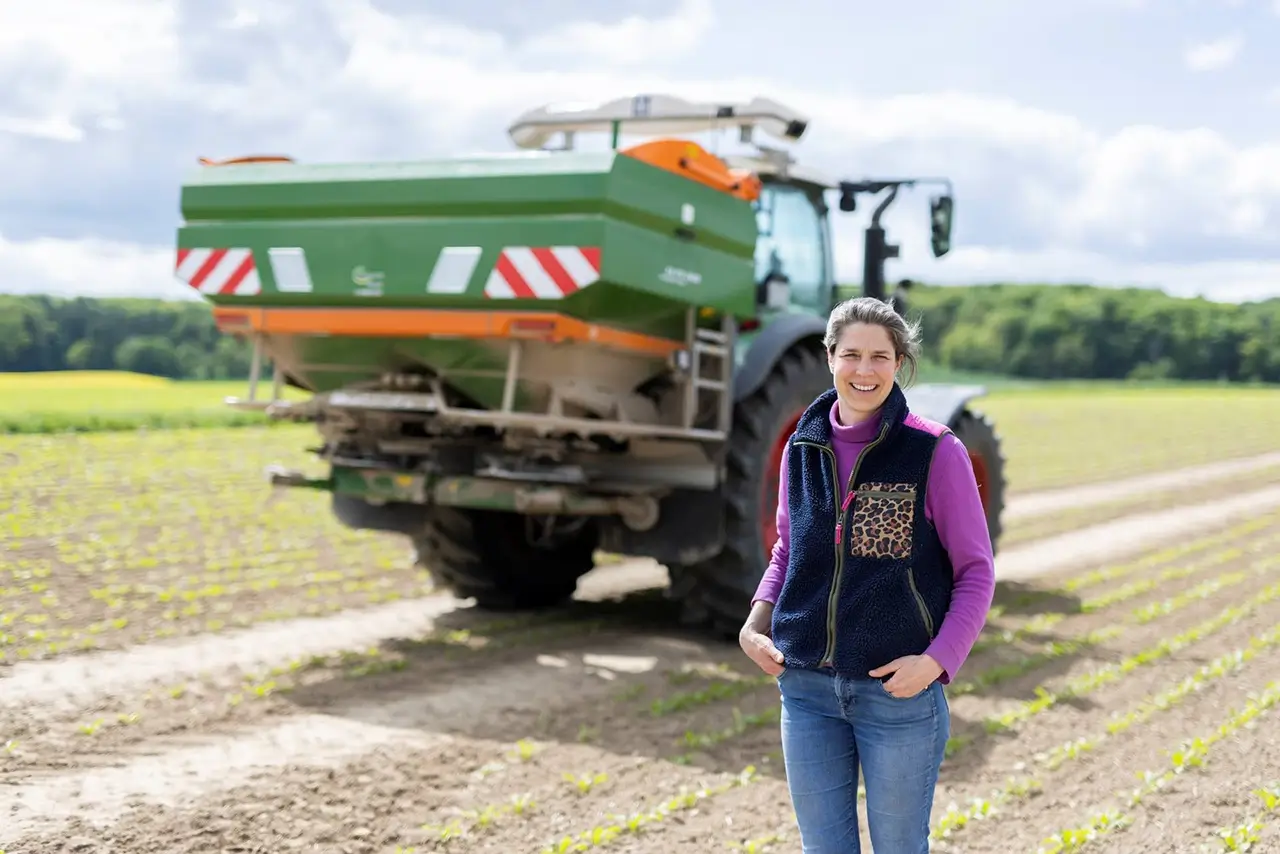
The fertiliser has been tested by Nordzucker in Germany since 2024. Twenty-five farms participated in the first pilot year. In the second year (2025), the project was extended to growers in Poland and Denmark. The number of participating farms has increased by a factor of five. Preparations for sowing in 2026 are already underway, and there are plans to expand the sugar beet cultivation area covered by the project once again.
The farmers apply the CO2-reduced fertiliser to their sugar beet fields and deliver the harvested beets to us. As part of the project, we collected some basic information on the application of the fertiliser, including the areas where it was applied, application rates, and fertiliser planning details. This data is used for accompanying documentation and project development. The support of our beet growers is crucial to the success of the pilot project.